Plant care › Caprifoliaceae
How to care for Chinese Honeysuckle
Lonicera japonica
Difficulty Easy
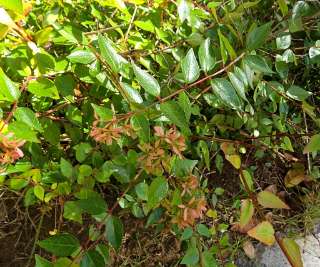
Japanese honeysuckle, often called Chinese honeysuckle, is a vigorous woody vine famous for its intensely fragrant white and yellow flowers. The single most important factor in keeping it healthy is controlling its aggressive growth, as it spreads rapidly given adequate light and moisture. Because it is highly invasive in many regions, it is best grown in contained garden spaces or enjoyed where it naturally grows in the wild.
At a glance
- ☀️ LightFull sun to light shade
- 💧 WaterModerate, drought-tolerant once set
- 🌡️ TemperatureHardy from -20°F to 90°F (-29°C to 32°C)
- 💨 HumidityAdaptable to average humidity
- 🪴 SoilRich, well-draining soil
- 🐾 ToxicityToxic to pets and children
💧 Watering
Water deeply once a week during the first growing season to establish a robust root system. Mature plants are remarkably drought-tolerant and rarely require supplemental watering except during prolonged summer dry spells. Reduce watering significantly in autumn and winter when the plant enters dormancy. Always ensure the planting area drains well, as standing water can cause root decay.
☀️ Light and placement
This vine thrives best in full sunlight to light afternoon shade, needing at least six hours of direct light daily for maximum blooming. While it tolerates partial shade, flowering will be noticeably sparse in darker locations. In extremely hot southern climates, light shade during peak afternoon heat keeps the foliage looking fresh.
🪴 Soil and repotting
It grows happily in almost any soil type, provided it drains well and does not remain waterlogged. A neutral to slightly acidic mix rich in organic matter gives the best growth and floral display. Repotting is generally unnecessary unless growing in containers, in which case you should move up 2-3 inches in pot size every two years using standard potting mix with added perlite.
🌡️ Temperature, humidity & winter
Extremely cold-hardy down to USDA zone 4, it easily survives severe winters outdoors without protection. In temperate zones, foliage remains semi-evergreen or drops completely in late winter before returning vigorously in spring. Indoor wintering is not recommended, as it requires natural seasonal cold periods to maintain its seasonal growth cycle. Keep humidity around average indoor or ambient outdoor levels, as extra humidity is not required.
🌿 Feeding
Feed in early spring as new growth starts using a balanced, slow-release granular fertilizer. Avoid high-nitrogen fertilizers, which promote excessive vine and leaf growth at the expense of fragrant blooms. Stop all fertilization by late summer to allow the vine to harden off naturally before winter freezes arrive.
✂️ Propagation
Propagate by taking 4-6 inch softwood stem cuttings in late spring or early summer. Strip the lower leaves, dip the cut end into rooting hormone, and insert it into a moist mix of peat and perlite. Cuttings root quickly within 3-4 weeks under humid conditions. Because this plant is invasive in many areas, never collect wild specimens or allow garden escapees to seed into surrounding natural habitats.
Troubleshooting
Yellowing lower leaves and root rot
Reduce watering frequency immediately and ensure the soil or pot has adequate drainage holes.
Powdery white spots on leaves
Improve air circulation around the vine by pruning overcrowded stems and avoid overhead watering.
Lack of fragrant flowers
Move the plant to a brighter location with at least six hours of direct sunlight and cut back on nitrogen fertilizer.
FAQ
Is Japanese honeysuckle invasive?
Yes, in many parts of North America and other regions, it is considered a severe invasive weed that smothers native vegetation. Always check local guidelines before planting it outdoors.
Can I grow honeysuckle in a container?
Yes, you can grow it in a large container with a sturdy trellis, which helps control its aggressive spread.
How hard should I prune honeysuckle?
You can prune it heavily in late winter or early spring to control its size and shape, as it blooms on new growth.
Is honeysuckle toxic to dogs?
Yes, parts of the plant, particularly the berries and vines, contain toxic saponins and should be kept away from pets and children.
This guide was written by AI from general growing references. Conditions vary — use it as a starting point, and never to decide whether a plant is safe to eat or use as medicine. · Updated Nov 19, 2026
📷 Photos and sightings of Chinese Honeysuckle →People who added this plant
🏆 First added to Petaltrail on Aug 14, 2026
개발자
💬 Conversation
No one has talked about this plant yet. Leave the first comment in the app.
Add your photo and join the conversation on Petaltrail →
📷 Spot this plant? Snap it
One photo gets you its name and a new page in your own field guide. Free, no install.
Open Petaltrail →