
Plant care › Asteraceae
How to care for Seashore spatulate aster
Aster spathulifolius
Difficulty Moderate
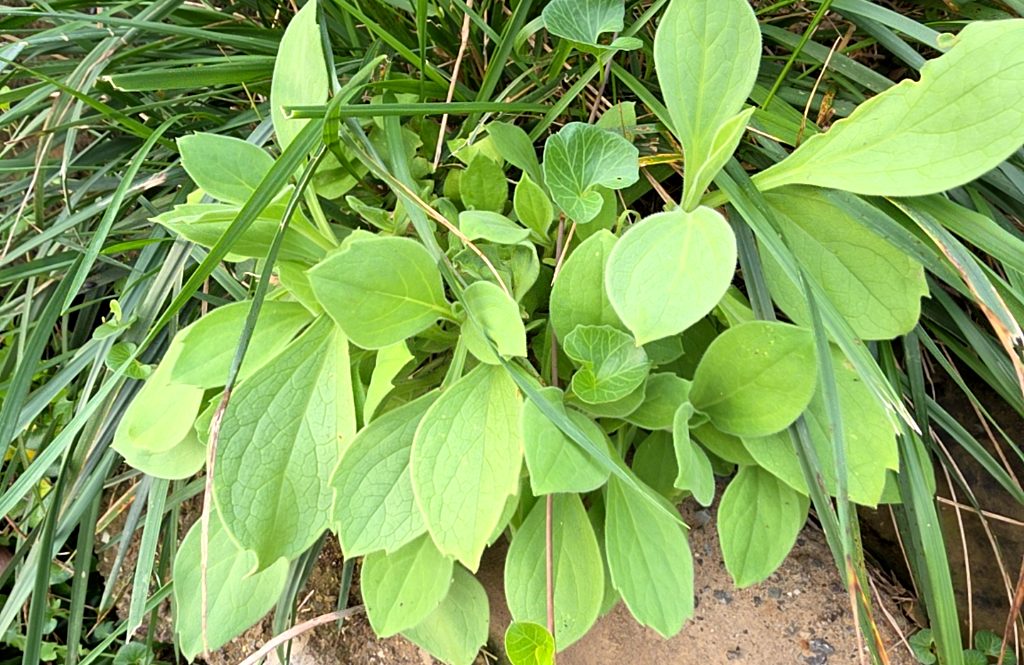
Seashore spatulate aster is a hardy coastal perennial native to rocky ocean bluffs and shorelines in East Asia. It thrives in full sunlight, gritty well-draining soil, and fresh coastal air. Because it is primarily a wild species, it is best appreciated in its natural coastal habitat rather than collected from the wild.
At a glance
- ☀️ LightFull sun
- 💧 WaterLow to moderate
- 🌡️ Temperature50°F–80°F (10°C–27°C)
- 💨 HumidityTolerates wind and sea spray
- 🪴 SoilGritty, sandy, well-draining
- 🐾 ToxicityToxic to pets and children
💧 Watering
In its native rocky habitat, seashore spatulate aster relies on rainfall and fast drainage between storms. When grown in gardens or pots, water thoroughly only after the top two inches of soil have completely dried out. Reduce watering drastically in late autumn and winter while the plant is resting. Overwatering in cold or dense soil easily causes root rot, which is the most frequent cause of failure.
☀️ Light and placement
This species requires direct, unfiltered full sunlight for at least six hours daily to remain healthy and compact. In shaded conditions, stems quickly stretch, weaken, and produce few to no blossoms. If grown in outdoor gardens, select an open spot with uninterrupted exposure to the sun. Indoor cultivation is challenging unless placed under high-output plant grow lights.
🪴 Soil and repotting
Originating from coastal cliffs, this plant demands lean, rocky soil with exceptional aeration and drainage. A mix composed of equal parts sand, fine gravel or pumice, and potting soil replicates its native substrate. Repot pot-grown specimens only every two to three years in early spring when roots crowd the container. Avoid heavy clay or moisture-retentive potting media, as stagnant water will kill the roots.
🌡️ Temperature, humidity & winter
This plant tolerates cool temperate climates and light winter frosts down to roughly 15°F (-9°C). It prefers daytime temperatures between 50°F and 80°F (10°C to 27°C) during its spring and summer growing periods. High humidity is tolerated well as long as strong air circulation is present. In regions with harsh, wet winters, protect potted roots in a sheltered frame or dry cold frame.
🌿 Feeding
Adapted to nutrient-poor cliff soils, this aster requires very little supplemental fertilizer. Apply a weak, balanced liquid fertilizer once in late spring to support summer growth. Excessive nutrients, especially nitrogen, lead to weak, floppy stems and reduced flowering. Stop fertilizing entirely by late summer to allow the plant to harden off before winter.
✂️ Propagation
Wild populations should never be dug up or disturbed, so enjoy wild plants where they naturally grow. To propagate cultivated specimens, sow ethically sourced nursery seeds on the soil surface in early spring after a brief cold stratification. Stem cuttings can also be taken from garden plants in early summer. Root cuttings in a gritty sand mix placed under bright, indirect light until established.
Troubleshooting
Yellowing foliage and mushy stems near the soil line
Stop watering immediately, let the substrate dry out, and transfer the plant to a gritty, faster-draining soil mix.
Leggy, floppy stems with no flower buds
Move the plant to an open position receiving full, direct sunlight throughout the day.
White powder forming on leaf surfaces
Improve air circulation around the foliage and avoid getting leaves wet when watering.
Wilting leaves during hot midsummer afternoons
Provide a deep watering in the early morning and mulch the soil surface with coarse gravel to keep roots cool.
FAQ
Can I harvest seashore spatulate aster from wild coastlines?
No, wild plants should remain undisturbed in their natural habitats to protect local ecosystems. Purchase nursery-propagated seeds or plants instead.
When does seashore spatulate aster bloom?
It produces purple to violet daisy-like flower heads from late summer through early autumn.
Is seashore spatulate aster easy to grow indoors?
It is generally poorly suited to indoor settings because it requires intense sunlight and abundant fresh air circulation.
Does it tolerate ocean wind and salty air?
Yes, its natural coastal bluff habitat makes it highly resilient against strong coastal winds and salt spray.
This guide was written by AI from general growing references. Conditions vary — use it as a starting point, and never to decide whether a plant is safe to eat or use as medicine. · Updated Nov 18, 2026
📷 Photos and sightings of Seashore spatulate aster →People who added this plant
🏆 First found on Petaltrail by 개발자 · Aug 15, 2026
개발자
💬 Conversation
No one has talked about this plant yet. Leave the first comment in the app.
Add your photo and join the conversation on Petaltrail →
📷 Spot this plant? Snap it
One photo gets you its name and a new page in your own field guide. Free, no install.
Open Petaltrail →